Fix
Should You Soak Wood Before Carving? What Softens Dry Wood
Published
Short answer
No, do not soak a whole block. Soaked wood swells and can warp or split as it dries again. The usual practice for dry wood that feels too hard is a light mist of about half rubbing alcohol and half water on the surface you are cutting. The lasting fix is a sharper edge and a softer wood such as basswood (410 lbf).
This page is for a carver with a dry block that will not cut the way the videos show. Wetting the wood is the first idea most people have, and the pages that rank for this question contradict each other. Hard cutting has six standard causes, and only one of them is very dry wood. The table below sorts them, most likely first. After that come the softening methods side by side, with what each does and what it risks, and the two fixes that do most of the work: the edge and the species.
Why dry wood feels too hard to carve: causes and fixes
Find the row that matches what you see. Check the edge and the species before you reach for water: they are the more likely causes.
| What you see | Likely cause | What to do |
|---|---|---|
| Knife skids or crushes the wood, even on basswood | Dull edge, often the factory edge | Strop with compound. Use a stone only if the edge is chipped or rounded |
| Edge stops dead on hard bands or needs your whole arm | Wood too hard: pine lumber, oak, other dense wood | Switch to basswood or butternut |
| Wood tears or splits ahead of the blade | Cutting against the grain | Turn the piece and cut downhill, with the grain |
| Knife wedges in the cut, hand hurts | Cuts too deep, or a thick blade | Take thinner slices. Use a thin whittling blade |
| Sharp knife, soft species, still hard going | Very dry wood | Mist the surface with half rubbing alcohol, half water |
| Block cracked after it was soaked | Soaked, then dried too fast | Glue the crack. Do not soak again |
Should you soak wood before whittling?
No. Soaking a whole block is not standard practice. Wood swells as it takes on water and shrinks as it loses it. Cracks come from wood drying too fast, mostly from the end grain. A soaked block has to dry all over again, this time as a half-finished carving with thin and thick parts that dry at different rates.
Carvers and tool sellers do not agree on this, which is why the search results conflict. Carving is Fun lists soaking among its ways to soften wood, but says to check the piece every 30 minutes and warns that a waterlogged piece may split when it dries. BeaverCraft's blog describes immersing the wood for several hours or overnight, and lists warping, swelling and a longer drying time as the drawbacks. Both sides name the same risk. They differ on whether it is worth taking.
Note.If you do soak a piece, the two sources above differ on time: checks every 30 minutes on one side, several hours or overnight on the other. Neither is a maker instruction.
Ways to soften wood for carving: what each does and the risk
These are the methods the two hobby references above describe, plus the option of starting with green wood. Only the first is common practice at the carving bench.
| Method | What it does | Risk |
|---|---|---|
| Mist of half rubbing alcohol, half water | Dampens the surface being cut. Repeat as needed while carving | Rubbing alcohol is flammable. Overuse can dry the wood (BeaverCraft) |
| Soaking the block in water | Wets the wood more deeply | Swelling, warping, a long drying time, splits as it dries |
| Boiling in water | Heats and wets the wood | Can lead to cracking, may change the color, hot water hazard |
| Mineral oil on the surface | Left a few hours to soak in, then wiped off | Can darken the wood. May need another coat |
| Carving green wood instead | Freshly cut wood cuts far more easily than dry | Can crack as it dries. Dry the carving slowly |
How to mist dry wood with alcohol and water
Use this when the knife is sharp, the wood is a carving species and the block still feels hard. It is a surface treatment for the cut you are about to make, not a way to turn oak into basswood.
- 1
Mix about half rubbing alcohol (isopropyl) and half water in a small spray bottle. The ratio is common carver practice, not an exact recipe.
- 2
Mist only the area you are about to cut, lightly and evenly. The surface should look damp, not wet. Do not pour the mix on or stand the block in it.
- 3
Carve that area with thin slices. When the knife starts to feel the hard wood again, mist once more. Repeat as needed through the session.
- 4
Keep the bottle away from flames and heat: rubbing alcohol is flammable. Wipe the blade dry before you put the knife away.
The usual cause: a dull edge
A dull edge crushes wood fibers instead of slicing them, and that feels exactly like hard wood. New knives often arrive with a factory edge that needs work before the first cut. Routine upkeep is the strop with polishing compound, not the stone. Flexcut's advice is to strop when the tool starts to drag, and carvers commonly quote every 10 to 30 minutes of carving. That is a habit, not a maker figure.
Start with how to strop a carving knife. If the edge is chipped or rounded, it needs a stone first: see how to sharpen a whittling knife. A sharp tool needs less force and is easier to control, so this fix also makes carving safer.
The wood is too hard: change the species
No spray makes a hard wood soft. Basswood is 410 lbf on the Janka scale and butternut 490. Northern red oak is 1,220 to 1,290 lbf, about three times as hard, and southern yellow pine lumber has hard resinous bands that turn the edge aside. If your block came from a building store, the wood is the likely problem: see can you whittle pine.
Look up your wood in the wood for carving chart. Woods up to about 600 lbf whittle dry. Harder closed-grain woods such as birch, cherry and maple are normally carved green, not dry.
Can you whittle wet wood?
Yes, if "wet" means green: freshly cut and still full of its own water. Green wood cuts far more easily than dry wood, and spoon carvers work it on purpose. They carve the spoon green, let it dry for about 2 to 3 days, then make the final cuts dry. That is a different thing from wetting a dry block. The full comparison is in green wood vs dry wood.
How to keep carving wood from getting too hard
Prevention is mostly storage and habit. Wood keeps drying in a heated room, and green wood left in the open dries fast and cracks.
- Store dry blocks away from heaters, sunny windows and other heat. One hobby reference suggests 60 to 70% relative humidity for stored carving wood.
- Keep green blanks in a sealed plastic bag or the freezer between sessions, and coat log ends with end sealer or latex paint right away.
- Buy wood sold for carving, such as basswood blocks, instead of construction lumber.
- Strop before the knife drags, not after. A dull edge is the first cause to rule out.
Quick answers
Short answers to the searches behind this page. Where the two hobby references disagree, both figures are given with their source.
- Should I wet wood before carving? A light mist of half rubbing alcohol and half water on very dry wood is common practice. Soaking the block is not.
- How long to soak wood before carving? There is no agreed time. Carving is Fun says check every 30 minutes. BeaverCraft's blog says several hours or overnight. Both warn of damage.
- How to soften wood for carving? Mist the surface, sharpen the edge and take thinner cuts. For a real change, use a softer species or green wood.
- How to make wood easier to carve? Strop the knife, cut with the grain and switch to basswood (410 lbf) or butternut (490 lbf).
- Can you whittle wet wood? Green wood, yes: it cuts far more easily than dry. A soaked dry block is a different case and can split as it dries.
What you need for this
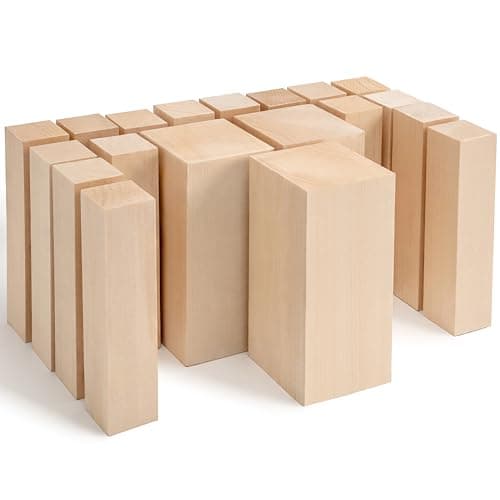 See price on AmazonAmazon
BeaverCraft BW19 basswood blocks, 19 pieces, 2 sizes
From Best Basswood Carving Blocks: Sizes, Pack Counts and Price per Block
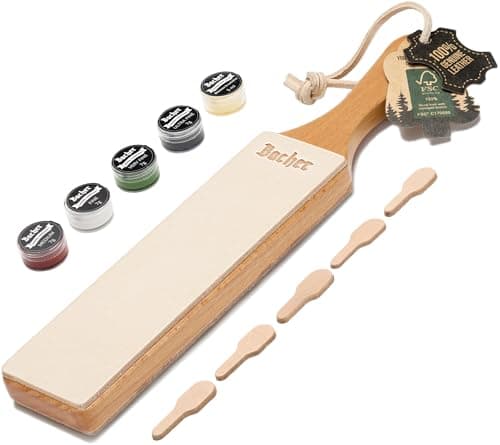 See price on AmazonAmazon
Bacher leather strop 12.6 in, 4 compounds and balm
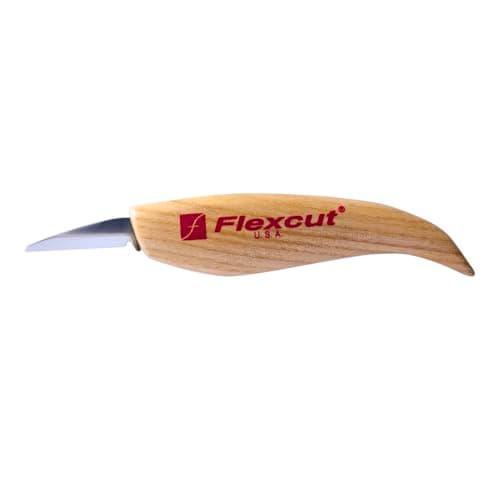 See price on AmazonAmazon
Flexcut KN13 detail knife, 1.5 in blade
From Best Whittling Knife for Beginners: Fixed-Blade Carvers Compared
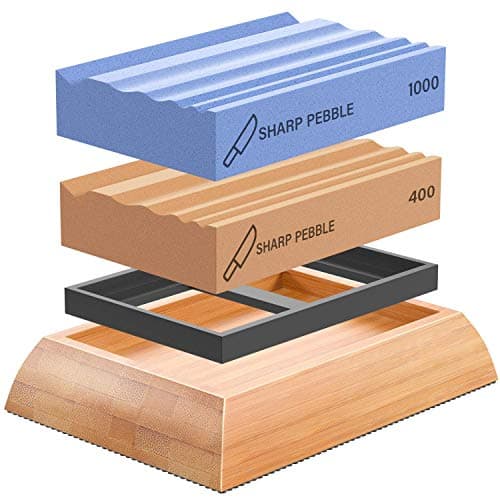 See price on AmazonAmazon
Sharp Pebble grooved stones, 400 and 1000 grit
From Best Sharpening Kits for Wood Carving Knives, Hook Knives and Gouges